The Rise of Autonomous Customer Support for Ecommerce Brands in 2026
How AI-Powered Support Automation Is Transforming Ecommerce Customer Service
Aug 20, 2026
5 mins
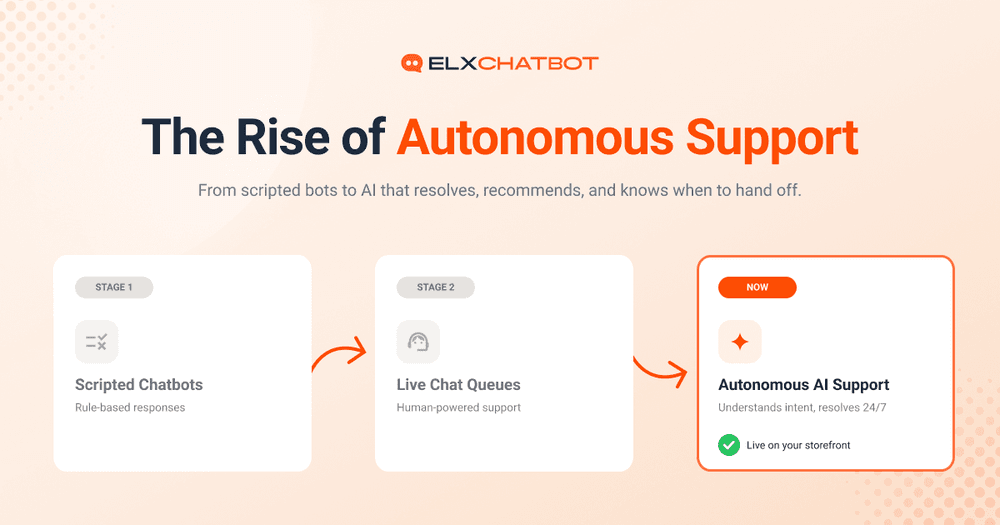
Discover how autonomous customer support is transforming ecommerce in 2026. Learn how AI-powered support automation, real-time assistance, and intelligent workflows improve customer experience, reduce operational costs, and increase conversions.
Customer expectations have changed dramatically over the last few years.
Online shoppers now expect:
- Instant responses
- Personalised support
- Accurate recommendations
- Real-time order updates
- 24/7 availability
At the same time, ecommerce businesses are under increasing pressure to manage:
- Growing support volumes
- Rising operational costs
- International customer bases
- Higher service expectations
Traditional customer support teams are finding it increasingly difficult to scale efficiently.
This is why autonomous customer support is becoming one of the most important developments in ecommerce.
AI-powered support systems are no longer just answering simple questions. They are now capable of managing large parts of the customer journey automatically while still delivering highly personalised experiences.
What Is Autonomous Customer Support?
Autonomous customer support refers to AI-driven systems that can independently manage customer interactions with minimal human involvement.
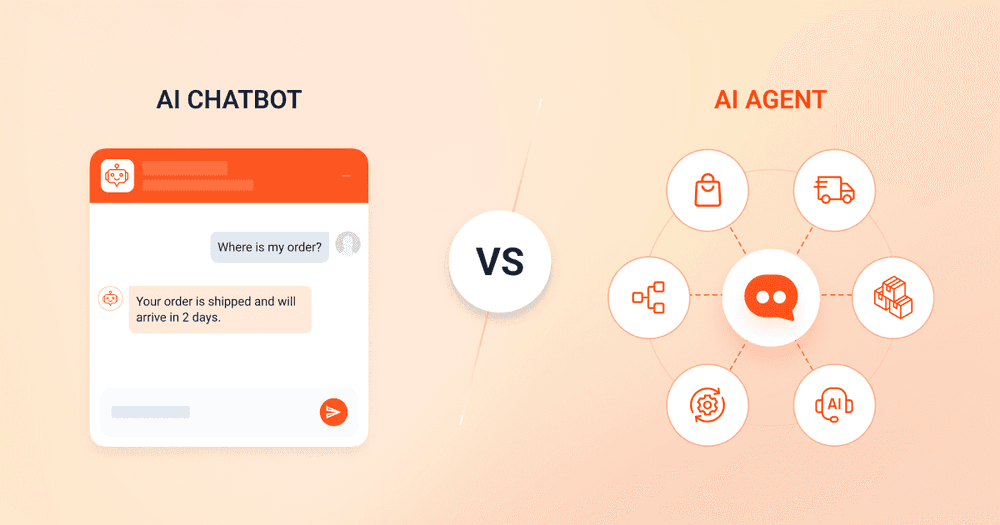
Unlike traditional scripted chatbots, modern AI systems can:
- Understand natural language
- Interpret customer intent
- Ask follow-up questions
- Provide contextual responses
- Automate workflows
- Retrieve real-time information
- Escalate conversations when necessary
In ecommerce, this creates a much more efficient and scalable support model.
The goal is not simply automation.
The goal is intelligent automation that improves both operational efficiency and customer experience.
For a broader look at how AI-powered self-service is changing customer support, see AI Chatbots and the Future of Customer Self-Service
Why Ecommerce Brands Are Adopting Autonomous Support
Ecommerce customer support has become increasingly complex.
Modern online stores often handle:
- Thousands of products
- International shipping
- Multiple delivery partners
- Returns and exchanges
- Sizing and compatibility questions
- High customer expectations for speed
Support teams frequently spend large amounts of time answering repetitive queries such as:
“Where is my order?”
“How long does delivery take?”
“What is your return policy?”
“Do you have this in stock?”
“Which size should I choose?”
Autonomous AI systems can handle many of these conversations instantly.
This allows businesses to:
- Reduce support workloads
- Improve response times
- Scale support more efficiently
- Maintain consistent customer experiences
AI Support Systems Are Becoming More Human-Like
One reason autonomous support is growing rapidly is because AI conversations have improved significantly.
Older chatbots often frustrated customers because they:
- Relied on rigid scripts
- Misunderstood questions
- Provided irrelevant responses
- Could not understand context
Modern AI-powered systems are very different.
Today’s conversational AI can:
- Understand intent more naturally
- Maintain context throughout conversations
- Personalise responses
- Communicate in multiple languages
- Adapt to customer behaviour
This creates a support experience that feels far more natural and useful.
Autonomous Support Is Available 24/7
One of the biggest challenges for ecommerce businesses is maintaining support coverage outside standard working hours.
Customers shop at all times of the day across different time zones.
Autonomous AI support systems provide:
- Continuous availability
- Instant response times
- Global customer coverage
- Support scalability without increasing headcount
This is especially valuable during:
- Peak shopping seasons
- Product launches
- Holiday sales
- International expansion
For more on the value of round-the-clock ecommerce support, see Never Miss a Sale with ELX AI Chat Support
Real-Time Order Support Is Becoming Essential
Order-related queries are among the most common ecommerce support requests.
Customers increasingly expect instant access to:
- Order status
- Tracking information
- Delivery estimates
- Shipment updates
Autonomous customer support systems can integrate directly with ecommerce platforms and logistics providers to retrieve this information automatically.
This eliminates the need for customers to wait for human agents to manually check orders.
For ecommerce brands, this significantly reduces repetitive support tasks.
ELX Chatbot's real-time order tracking allows customers to retrieve order progress, delivery estimates, tracking links, and returns information directly through chat.
AI Is Improving Product Recommendations
Autonomous support is no longer limited to customer service.
AI systems are increasingly helping customers make purchasing decisions.
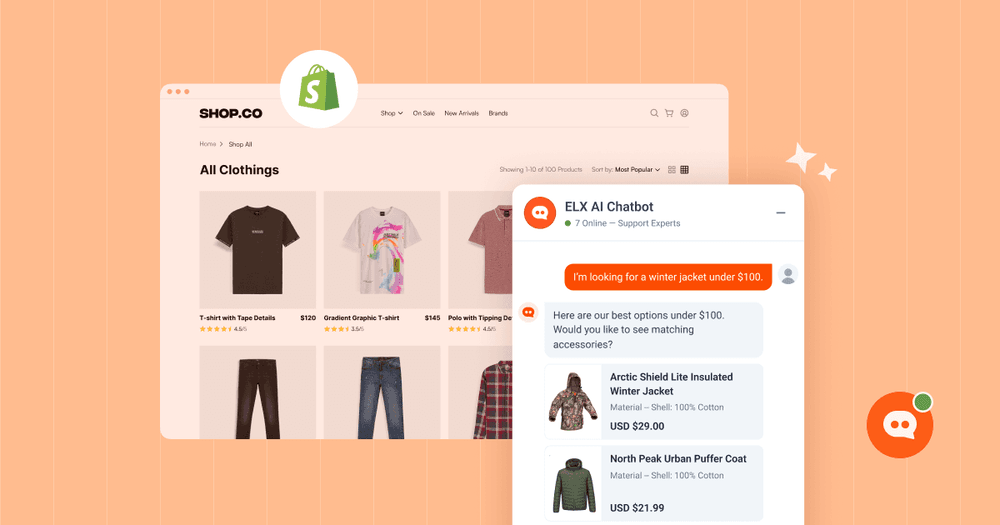
Modern ecommerce AI assistants can:
- Recommend products
- Suggest alternatives
- Compare options
- Answer product-specific questions
- Guide users towards suitable purchases
This creates a more interactive and personalised shopping experience.
For customers who are unsure what they need, conversational AI can significantly simplify the buying journey.
See also: From Queries to Conversions: How Chatbots Boost eCommerce Sales
Autonomous Customer Support Helps Reduce Cart Abandonment
Many ecommerce customers leave websites because they cannot quickly find answers to important questions.
Common concerns include:
- Shipping costs
- Delivery times
- Sizing uncertainty
- Product compatibility
- Return policies
AI-powered support systems can proactively assist customers during the buying process by providing instant answers at critical moments.
This helps:
- Reduce friction
- Increase customer confidence
- Improve conversion rates
- Lower cart abandonment
For a deeper look at this topic, see How AI Chatbots Help Reduce Cart Abandonment in Ecommerce
Multilingual AI Support Is Expanding Global Ecommerce
International ecommerce growth often creates customer support challenges.
Hiring multilingual support teams can be expensive and difficult to scale.
Autonomous AI systems now allow ecommerce brands to:
- Detect customer language automatically
- Communicate across multiple languages
- Maintain consistent support quality globally
This helps businesses expand internationally while providing better customer experiences.
Human Support Still Plays a Critical Role
Autonomous support does not eliminate the need for human agents.
Instead, it changes how support teams operate.
AI systems are most effective when handling:
- Repetitive queries
- Routine workflows
- First-line support
- Product guidance
- Order updates
Human agents remain essential for:
- Sensitive situations
- Complex complaints
- Escalation handling
- Relationship management
The best ecommerce support strategies combine:
- AI automation
- Human expertise
- Seamless handover between both
This hybrid model provides the best balance between efficiency and customer satisfaction.
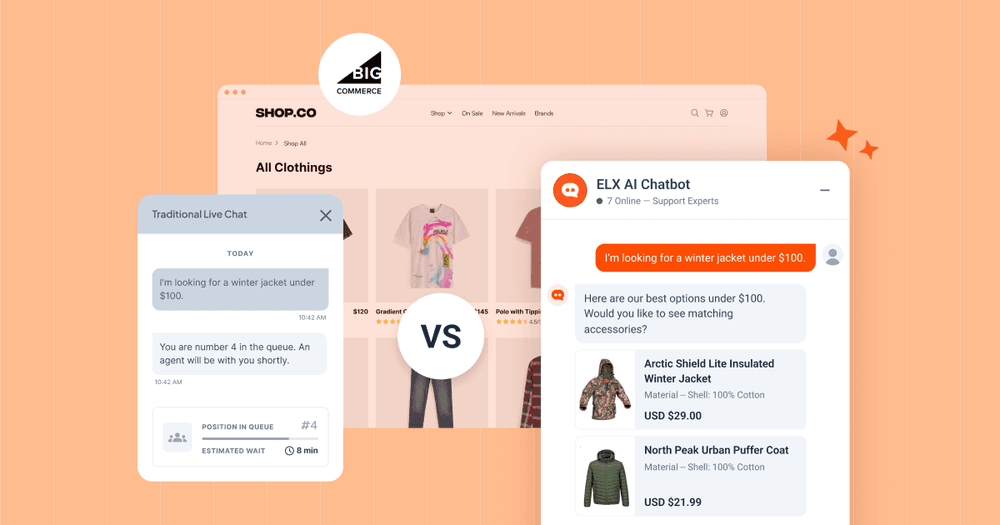
You can also read AI Chatbot vs Live Chat for Ecommerce for a closer comparison of automated and human-led support.
What Ecommerce Brands Should Look For in AI Support Platforms
As autonomous support technology evolves, ecommerce businesses should prioritise platforms that offer:
- Ecommerce Platform Integrations
- Direct integration with Shopify, Magento, WooCommerce, and BigCommerce is essential.
- Real-Time Data Access
- AI systems should be able to retrieve order information, inventory updates, and FAQ content dynamically.
Product Recommendation Capabilities
The AI should understand products and customer intent.
Human Takeover Features
Support teams should be able to join conversations seamlessly when required.
Analytics and Insights
Businesses need visibility into:
- Support trends
- Customer behaviour
- Conversion impact
- Common pain points
- Multilingual Support
Global ecommerce requires natural communication across multiple languages.
Autonomous Support Is Becoming a Competitive Advantage
As AI adoption increases, autonomous customer support is quickly becoming a competitive differentiator.
Customers increasingly prefer brands that:
- Respond instantly
- Provide personalised assistance
- Simplify shopping journeys
- Resolve issues quickly
Businesses that rely solely on traditional support models may struggle to meet modern customer expectations at scale.
For context on the factors that determine whether an ecommerce AI chatbot actually performs effectively, see 5 Critical Factors That Make or Break Your AI Chatbot for eCommerce
The Future of Ecommerce Support
The future of ecommerce customer support is moving towards:
- Conversational AI
- Proactive assistance
- Intelligent automation
- AI-driven product discovery
- Seamless human collaboration
Over time, support systems will become more predictive and action-oriented.
Instead of simply answering questions, AI systems will increasingly:
- Guide customers proactively
- Identify purchase intent
- Anticipate customer needs
- Automate complex workflows
The line between customer support, sales assistance, and shopping guidance will continue to blur.
Final Thoughts
Autonomous customer support is rapidly reshaping the ecommerce industry. AI-powered systems are helping brands deliver faster, more personalised, and more scalable customer experiences while reducing operational pressure on support teams.
For ecommerce businesses, the goal is no longer just reducing support tickets.
The real opportunity is creating intelligent customer experiences that improve satisfaction, increase conversions, and strengthen long-term loyalty. As customer expectations continue to evolve, autonomous support will likely become a standard part of modern ecommerce rather than an optional feature.
More Blogs
Explore more insights, tips, and stories from our team.