AI Chatbots vs AI Agents: What Ecommerce Brands Need to Know in 2026
Understand the key differences between AI chatbots and AI agents
Jul 30, 2026
5 mins
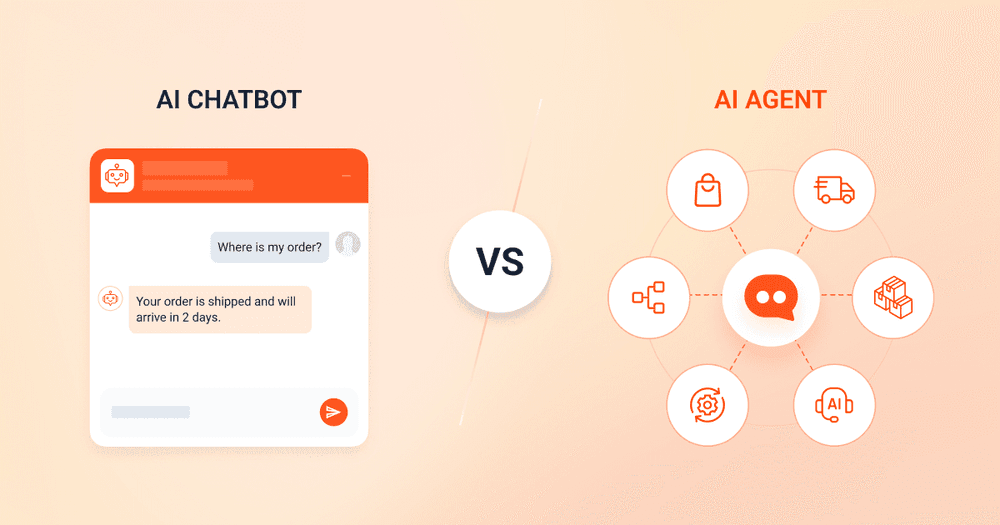
Explore the differences between AI chatbots and AI agents in ecommerce. Learn how AI-powered shopping assistants, customer support automation, and intelligent product recommendations are helping online retailers improve customer experience and drive conversions in 2026.
Over the last few years, AI chatbots have become one of the most important tools for ecommerce businesses. From answering customer questions to helping shoppers find products, chatbots have significantly improved the online shopping experience.
But in 2026, the conversation is changing.
Brands are no longer just asking: “How can a chatbot answer questions?”
They are now asking: “How can AI actively help customers complete their journey?”
This is where AI agents enter the picture.
The shift from traditional AI chatbots to AI-powered agents is transforming ecommerce customer support, product discovery, and even online sales strategies. Businesses that understand this change early will have a major advantage as customer expectations continue to evolve.
What Is an AI Chatbot?
An AI chatbot is typically designed to respond to customer queries through conversational interactions.
In ecommerce, AI chatbots are commonly used to:
- Answer FAQ-related questions
- Provide shipping and return information
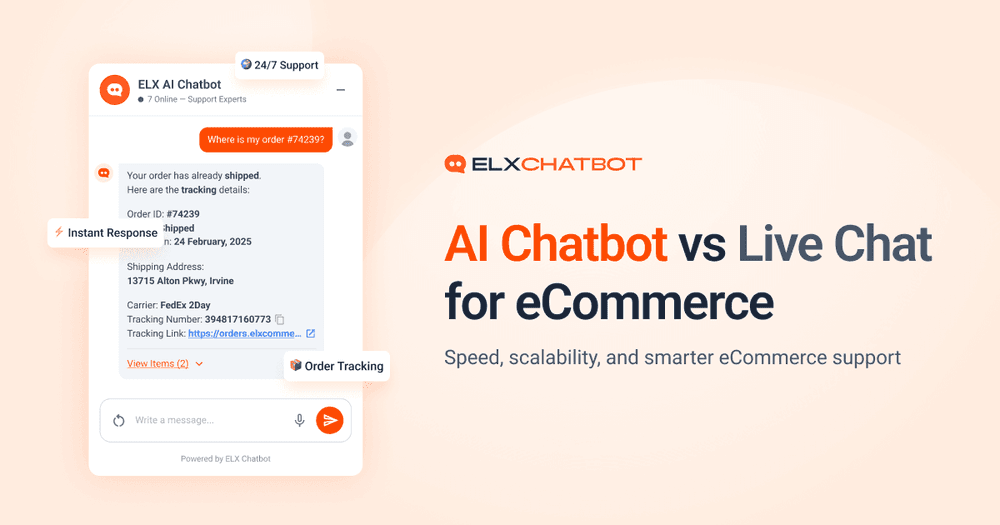
- Help customers track orders
- Recommend products
- Offer basic troubleshooting support
- Escalate conversations to human agents
Modern ecommerce AI chatbots are already far more advanced than the scripted bots many businesses used a few years ago. Today’s AI-powered systems can understand context, interpret customer intent, and provide highly relevant responses.
For many online retailers, AI chatbots have become the first line of customer support.
What Is an AI Agent?
An AI agent goes a step further.
Instead of simply responding to questions, AI agents are designed to actively complete tasks, make decisions, and guide users towards outcomes.
An AI agent can:
- Understand customer goals
- Ask follow-up questions
- Analyse customer intent in real time
- Recommend the most suitable products
- Take actions based on customer responses
- Automate support workflows
- Trigger integrations with external systems
- Learn from previous interactions
In ecommerce, this creates a much more intelligent and proactive shopping experience.
Rather than acting like a support widget, an AI agent behaves more like a digital sales assistant or customer service representative.
The Biggest Difference Between AI Chatbots and AI Agents
The easiest way to think about it is this:
AI Chatbots Respond
AI chatbots mainly focus on answering customer questions.
For example:
“Where is my order?”
“Do you ship internationally?”
“What is your return policy?”
AI Agents Act
AI agents focus on helping customers achieve a goal.
For example:
- Helping a customer choose the right product
- Recommending alternatives if an item is out of stock
- Guiding a shopper through sizing questions
- Assisting with product comparisons
- Identifying when a customer is likely to abandon their cart
- Triggering a human handover when necessary
This shift from reactive support to proactive assistance is one of the biggest changes happening in ecommerce today.
Why Ecommerce Brands Are Moving Towards AI Agents
Customer expectations have changed dramatically.
Modern shoppers expect:
- Instant responses
- Personalised experiences
- Intelligent recommendations
- 24/7 support
- Frictionless buying journeys
Traditional support systems often struggle to meet these expectations at scale.
AI agents help solve this problem by combining:
- conversational AI
- automation
- product intelligence
- customer context
- real-time decision making
This allows ecommerce brands to create shopping experiences that feel more personalised and responsive
AI Agents Are Changing Product Discovery
One of the biggest challenges in ecommerce is helping customers find the right products quickly.
Many shoppers arrive on a website without knowing exactly what they need.
Traditional search and navigation systems can create friction, especially on stores with large product catalogues.
AI agents improve product discovery by:
- Asking intelligent follow-up questions
- Narrowing down recommendations
- Understanding customer preferences
- Suggesting suitable alternatives
- Guiding users through buying decisions
This creates a far more conversational shopping experience.
For example, instead of searching through dozens of products manually, a customer could simply ask:
“I need a waterproof jacket for winter hiking under £150.”
An AI agent can then:
- Understand the request
- Refine recommendations
- Explain product differences
- Recommend suitable options instantly
AI Agents and Customer Support Automation
Support automation is another area evolving rapidly.
Most ecommerce support teams deal with repetitive questions every day, including:
- Delivery times
- Return policies
- Order updates
- Stock availability
- Sizing queries
AI agents can handle many of these conversations automatically while still providing natural, human-like interactions.
More importantly, they can recognise when human support is needed and escalate conversations accordingly.
This reduces pressure on customer support teams while improving response times for shoppers.
The Role of Human Support Is Still Important
AI agents are not replacing human support teams entirely.
Instead, they are helping businesses handle routine interactions more efficiently so human agents can focus on more complex or sensitive situations.
The most effective ecommerce support strategies combine:
- AI automation
- Live human support
- Seamless handover between both
This hybrid approach provides the best customer experience.
What Ecommerce Brands Should Look For in 2026
As AI technology continues to evolve, ecommerce businesses should focus on solutions that offer more than basic chatbot functionality.
Key capabilities to look for include:
Product Recommendation Intelligence
The AI should understand products, categories, and customer intent.
Ecommerce Platform Integration
Integration with platforms such as Shopify, Magento, WooCommerce, and BigCommerce is essential.
Real-Time Order Status Support
Customers increasingly expect instant access to tracking and delivery updates.
Multilingual Support
Global ecommerce brands need AI systems that can communicate naturally across multiple languages.
Human Handover Features
Businesses should always retain the ability to step into conversations when needed.
Analytics and Customer Insights
Understanding customer behaviour and conversation trends is critical for improving both support and conversion rates.
Explore AI-Powered Features of ELX Chatbot
AI Chatbots Are Evolving Into Ecommerce Sales Assistants
The term “chatbot” may eventually become too limited for what these systems actually do.
Modern AI-powered ecommerce assistants are becoming:
- Sales advisors
- Customer support agents
- Product recommendation engines
- Shopping assistants
- Conversion optimisation tools
The brands that adopt these technologies early are likely to create stronger customer experiences while reducing operational pressure on support teams.
Final Thoughts
The ecommerce industry is entering a new phase of AI adoption.
AI chatbots helped businesses automate customer support.
AI agents are now helping businesses create intelligent, personalised, and action-driven shopping experiences.
For ecommerce brands, the goal is no longer just answering questions faster.
The goal is helping customers move from discovery to purchase with as little friction as possible.
Businesses that embrace conversational AI, automation, and AI-powered customer journeys in 2026 will be better positioned to improve customer satisfaction, increase conversions, and scale support more efficiently.
As customer expectations continue to evolve, AI agents are likely to become a standard part of the ecommerce experience rather than a future innovation.
More Blogs
Explore more insights, tips, and stories from our team.