The Conversation Catalyst: How AI Chatbots Drive 30% More Qualified Leads
How AI Chatbots Are Powering the Next Generation of Conversational Websites
Dec 18, 2025
5 mins
Discover how AI chatbots are transforming static websites into interactive, conversation-driven experiences that guide customers, personalize journeys, and boost conversions.
For decades, websites have relied on the same basic formula: menus, buttons, and search bars. Users click through pages, filter products, and try to find what they need. It works but it’s far from efficient.
Now, that model is changing.
Thanks to advancements in conversational AI, websites are evolving from static interfaces into dynamic, conversational experiences where customers interact naturally through chat, asking questions, exploring products, and even completing purchases without ever leaving the conversation.
According to a 2024 PwC study, nearly 80% of consumers now expect personalized digital experiences, and more than half say they prefer brands that offer instant, chat-based assistance.
This shift marks a new phase in the digital journey: websites that talk back.
1. The End of the Traditional Website Experience
The traditional website is built around navigation. Visitors click through a homepage, browse menus, and scroll through long product pages. It’s functional but not always intuitive.
For first-time users, finding specific information can feel tedious. Bounce rates increase when people cannot locate what they’re looking for quickly. And even when products are clearly displayed, the lack of personal guidance often means customers leave with unanswered questions.
AI chatbots are rewriting this model entirely.
By placing a conversational layer on top of the website, businesses are turning one-way browsing into two-way interaction. Instead of users searching for content, they can simply ask and receive a direct, human-like response.
It’s the difference between walking into a self-service store and being greeted by a helpful assistant who knows exactly where everything is.
2. Why Conversations Create Better Digital Journeys
The web is becoming less about navigation and more about experience. A chatbot-driven website feels more personal because it mirrors how people naturally communicate.
Visitors can say:
“Show me your best-selling skincare sets.”
“I need a laptop for graphic design.”
“Can I get this delivered by Friday?”
In each case, the chatbot understands intent, retrieves relevant information, and responds in real time. The experience becomes fluid, efficient, and human.
Conversational websites eliminate unnecessary friction, guiding users directly to the answers or products they want.
With ELX Chatbot, for example, users can browse collections, check stock levels, and ask order-related questions, all within a single conversation. The chat becomes the website.
3. From Static Pages to Living Interfaces
In the past, websites were structured like digital brochures: designed once, updated periodically, and read passively.
AI chatbots change that by making websites interactive and adaptive. Every conversation is unique, shaped by the customer’s intent and preferences.
Instead of scrolling through dozens of pages, visitors get personalized recommendations and dynamic product listings generated in real time.
This approach transforms the website from a static medium into a living interface, a digital experience that evolves based on every question asked and every answer given.
ELX Chatbot’s integration capabilities with platforms like Shopify, Adobe Commerce, WooCommerce, and BigCommerce make this possible by pulling live data from product catalogues, order databases, and content systems, ensuring every response is accurate, current, and contextual.
4. Personalization at Scale
Personalization is no longer limited to targeted emails or product recommendations. AI chatbots now deliver personalization at the conversational level.
By learning from user behaviour, location, or past interactions, chatbots can tailor every discussion. A returning customer might see product suggestions based on their purchase history, while a first-time visitor might receive a welcome offer or curated product guide.
According to McKinsey, 71% of consumers expect personalized interactions, and businesses that excel at personalization generate 40% more revenue from those efforts.
Chat-driven personalization is the next frontier, where technology adapts to the user, not the other way around. ELX Chatbot features enable that by combining product data, user context, and conversational flow logic into every interaction.
5. Why Chatbots Are the New Navigation System
Traditional navigation relies on users knowing what to look for. Chatbot-driven websites remove that assumption.
Instead of scanning menus or guessing the right keywords, users simply describe their need in their own words. The chatbot interprets, responds, and refines as the conversation continues.
This approach mirrors how customers shop in physical stores: by asking questions and receiving suggestions.
AI chatbots make this experience digital, serving as the new navigation system for modern websites. They guide users intuitively from discovery to decision, helping them find the right products faster than search bars or dropdown menus ever could.
6. The Business Impact of Conversational Websites
The benefits of moving toward conversational websites are measurable and far-reaching:
- Higher conversion rates due to instant, tailored guidance.
- Lower bounce rates as users stay engaged longer.
- Increased satisfaction from faster problem-solving.
- Greater accessibility, especially for mobile and voice users.
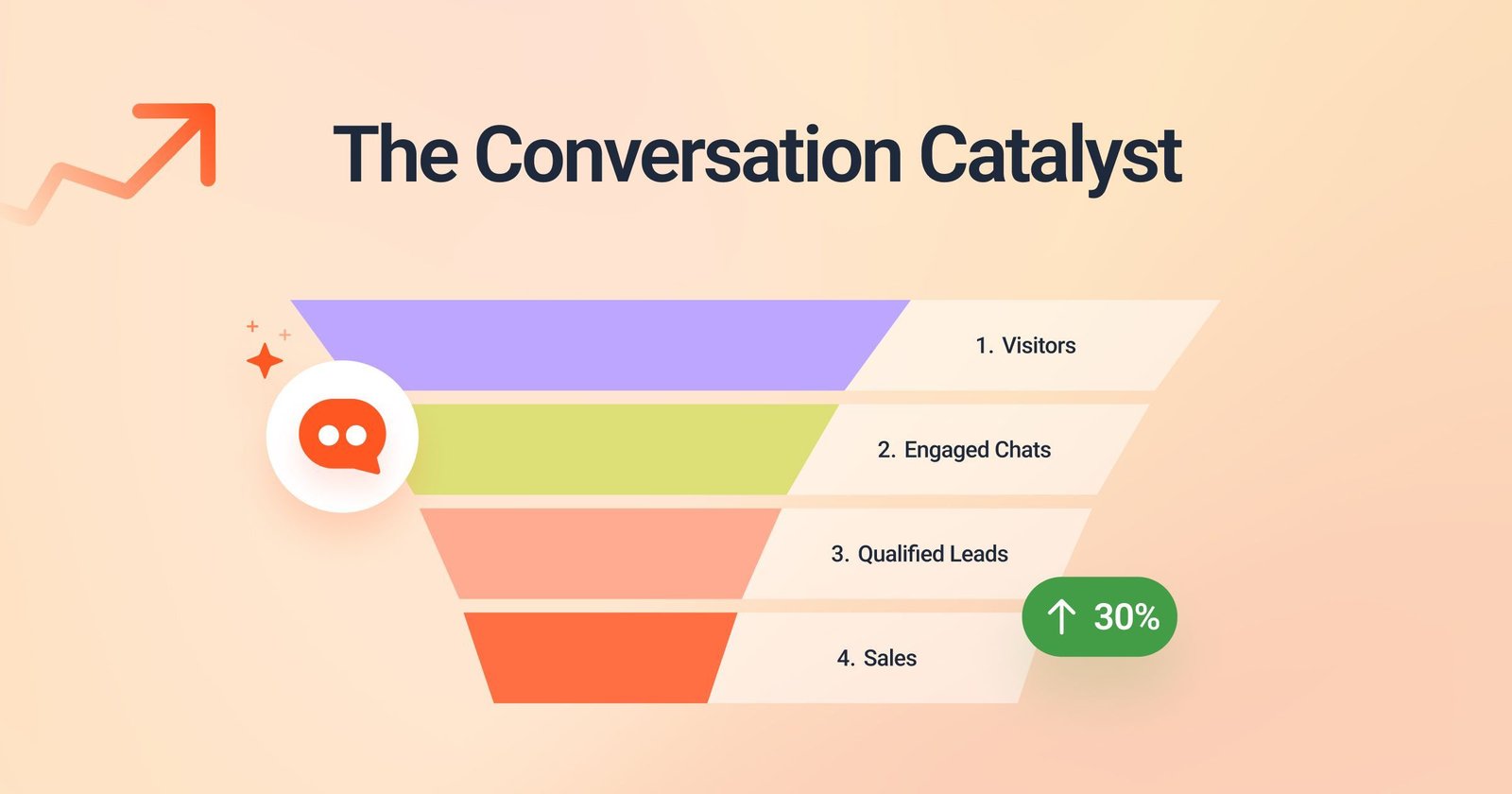
Data from Drift’s 2024 report shows that websites with chat-first interfaces see up to 30% more qualified leads and significantly higher engagement across product pages.
By adopting a chatbot-centered approach, businesses are not just modernizing their websites, they’re future-proofing their entire customer experience.
7. Preparing Your Website for a Conversational Future
Transitioning from a traditional website to a conversational one starts with strategy. Here are key steps:
Define your goals: Decide what outcomes your chatbot should drive sales, support, or engagement.
Integrate your systems: Connect the chatbot with product feeds, FAQs, and order APIs for full functionality.
Map the journey: Design conversations that reflect how users actually think and ask questions.
Refine continuously: Use chatbot analytics to monitor success and optimize interactions.
ELX Chatbot was built for this evolution. It integrates seamlessly with eCommerce systems, providing a unified platform that merges conversation, automation, and personalization into a single, cohesive customer journey.
Final Thoughts: From Pages to People
The web is entering a new era, one where customers expect to talk, not click.
In that world, the best websites will no longer be defined by how they look, but by how they listen and respond.
AI chatbots are leading this transformation, turning digital spaces into living conversations. Businesses that embrace this shift now will gain more than engagement, they’ll gain loyalty.
ELX Chatbot empowers brands to make that leap, bridging the gap between website and dialogue, and redefining what it means to deliver an exceptional online experience.
More Blogs
Explore more insights, tips, and stories from our team.